
Benefits of Laminar Flow
Reduced Turbulence: Laminar flow minimizes turbulence, creating a smooth and consistent air flow.
Improved Air Quality: Laminar flow helps remove contaminants and particles, improving indoor air quality.
Increased Efficiency: Laminar flow reduces energy consumption and increases the efficiency of air handling systems.
Enhanced Temperature Control: Laminar flow ensures uniform air distribution, helping maintain consistent temperature levels across the space.
Reduced Noise Levels: Smooth airflow minimizes air resistance and turbulence, resulting in quieter operation of the air handling system.

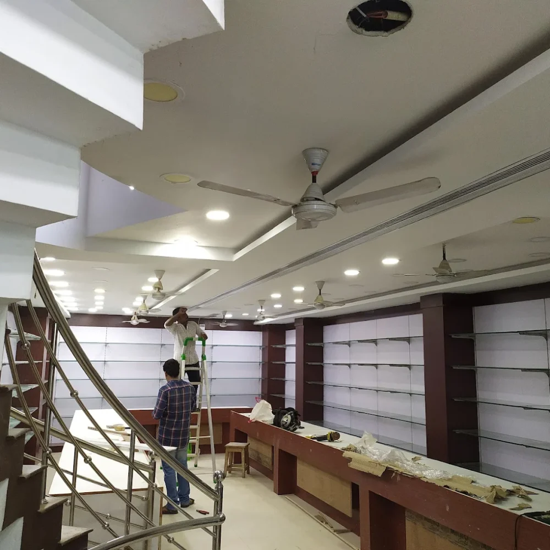
Benefits of Modular OT Wall Panel
Infection Control: Seamless, smooth surfaces and minimal joints reduce bacterial growth and facilitate cleaning.
Acoustic Comfort: Modular walls can be designed to reduce noise levels, creating a more comfortable environment.
Cost Effective: Modular construction can reduce costs compared to traditional building methods.
Improved Safety: Modular walls can be designed with safety features like lead shielding for radiation protection.
Enhanced Functionality: Modular walls can incorporate features like pass-through windows, shelves, and storage.
Reduced Dust and Debris: Modular construction minimizes on-site dust and debris.
Benefits of Epoxy Floor Coatings
Durability: Epoxy floors are highly resistant to wear, tear, and damage.
Chemical Resistance: Epoxy floors can withstand exposure to chemicals, acids, and cleaning products.
Easy Maintenance: Epoxy floors are simple to clean and maintain, with minimal upkeep required.
Aesthetics: Epoxy floors come in a range of colors and finishes, enhancing the appearance of a space.
Hygiene: Epoxy floors are seamless and non-porous, preventing bacterial growth and contamination.
Moisture Resistance: Epoxy floors are resistant to moisture damage and can withstand high humidity.

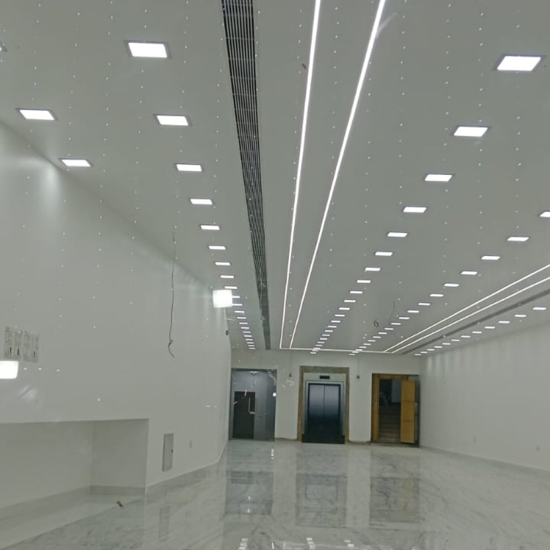
Benefits of Operating Theater Room Doors
Hermetic Sealing: OT doors provide hermetic sealing, preventing air leaks and maintaining a consistent environment.
Infection Control: OT doors help prevent the spread of infections by reducing air leakage and minimizing the entry of contaminants.
Sterile Environment: OT doors maintain a sterile environment by preventing unfiltered air from entering the room.
Temperature Control: OT doors help regulate temperature and humidity levels, ensuring a consistent environment.
Noise Reduction: OT doors reduce noise levels, creating a more peaceful environment for patients and medical staff.
Benefits of AHU (Air Handling Unit)
Improved Indoor Air Quality: AHU filters and cleans the air, removing pollutants and contaminants.
Temperature Control: AHU regulates temperature, maintaining a comfortable environment.
Humidity Control: AHU controls humidity levels, preventing moisture-related issues.
Energy Efficiency: AHU optimizes energy consumption, reducing costs and environmental impact.
Increased Ventilation: AHU provides a controlled amount of fresh air, improving ventilation.
Extended Equipment Life: AHU protects equipment from damage caused by uncontrolled air conditions.
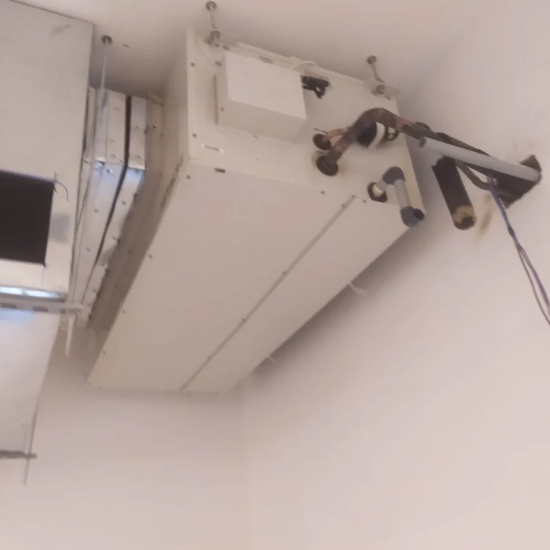
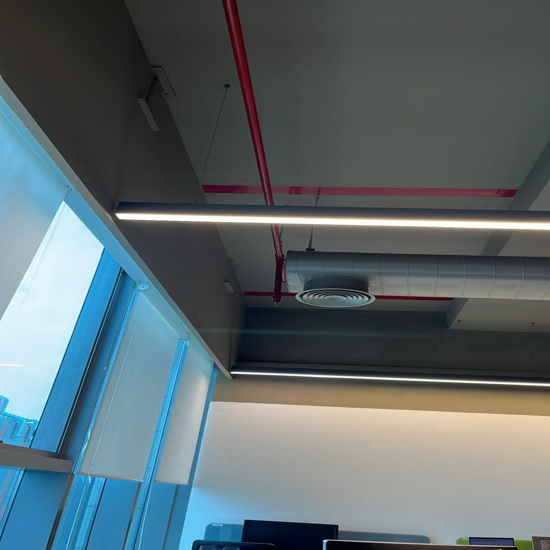
Benefits of Pass Box
Improved Infection Control: Reduces the risk of cross-contamination by creating a physical barrier.
Enhanced Safety: Prevents unauthorized access to restricted areas.
Increased Efficiency: Streamlines the transfer of materials, reducing time and labor.
Reduced Airborne Contamination: Minimizes the introduction of airborne contaminants.
Compliance with Regulations: Meets regulatory requirements for infection control and safety.
Flexibility: Can be customized to meet specific needs and applications.
Easy Cleaning and Maintenance: Designed for easy cleaning and maintenance.
Space-Saving Design: Compact design saves space and optimizes workflow.